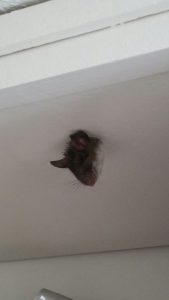
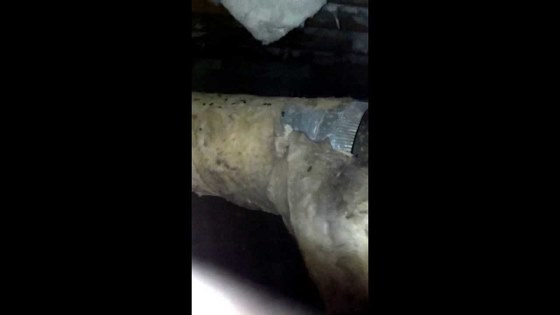
Clean all open sources of food before leaving in the evening to remove overnight food sources for cockroaches and rodents. Mice removal,Mice control, mice exterminators,pest control,seattle exterminators,seattle pest control,Rodent control service,Mice droppings pick up service,rats exterminators http://ampmexterminators.com
Rat & Mice Extermination – Control – Removal in Seattle WA - Everett WA - Tacoma WA. Serving Customers in the Seattle, WA area: Seattle WA : Bellevue WA : Kirkland WA : Redmond WA : Issaquah WA : Sammamish WA : Woodinville WA. and in the Everett, WA area: and in the Tacoma, WA area
Rodents rats and mice are common pests in our area and can be dangerous. They can ruin your food, destroy things in your home and start electrical fires.
Rodent will destroy insulation in a crawlspace. Depending on the magnitude of Rodent infestation Rats and mice are the rodents most often found in houses. An exterminator will perform an initial examination to identify what pests are present, where the entry points are, and setting traps. This visit should cost anywhere between $90.00 and $250.00.
After this you should receive a written estimate for continued treatment. This should include sealing points of entry, traps, clean-up, and repairs or decontamination if possible. It should also include any recommended continued treatment. This costs between $200.00 and $500.00 depending on the size of the property and infestation.
House mice prefer to make their nests in well-secured, dark areas where materials to form their nests are readily available and plentiful. This means inside insulated walls and attics, as well as dark closets, pantries and basements. Especially if food and shelter are available close by, a colony of house mice may not venture far from the nest. However, the signs of their infestation are generally clear, as mentioned above: droppings, burrow telltales, and destruction of foodstuffs foremost among these.
The North American house mouse is not only a destructive pest but also a potent disease vector, generally spreading pestilence with their droppings or urine (especially problematic if these are left undetected in compromised foodstuffs).
Pest control inspection will help you determine the type of rodent you're dealing with, their patterns of activity, what's bringing them inside your home, and most importantly - which rodent-control product to use for eliminating them.
The first step to getting rid of mice or rats is figuring out which rodent you're dealing with - and how many there are. Before you take any steps to control a rodent problem, be sure to inspect the premises inside and out. Conducting a thorough inspection will be critical for helping you decide which method of control is right for you.
Rats can be a problem in the home. Unfortunately, you may not see them until there is a big problem and it becomes more difficult to get rid of the rats. Rodents can cause a great deal of damage, contaminate food, and carry disease. Fortunately, there are ways to effectively kill the rats, with the two best ways as traps - including both open and enclosed rat traps - and baits.
The first step in ridding your home of rats is finding where they are living. Because they are nocturnal— most active at night, rats aren't often seen in the open during the day. But, it is easy to see signs of their presence. Rats and mice are not only a nuisance but can also cause property damage and transmit diseases. You’ll know they’ve arrived if you see rodent droppings near a food source or shredded fabric or paper. If you identify rodents, there are several steps to take to ensure permanent removal of these pests.
Removing rodents with traps or poisons will not keep rodents out of your home in the future. To permanently keep rats and mice out of your home or business, you will need to prevent access by sealing all possible entry points. It is equally important to eliminate rodent attractions such as food and water by keeping food in tightly sealed containers and repairing leaky pipes.
Mice can find a way into your house pretty easily. They can fit through a hole the size of a dime. That's why it's important to seal any cracks or openings around your foundation, windows, garage, or anywhere else. If you have rough siding on your house, such as brick, they can climb right up to the second floor without any problem, so be sure to check for openings at that level as well. Rats have been a problem for people throughout history. They eat or spoil crops, can spread disease, and damage property. There are stories of old wooden ships sinking because rats had gnawed through them. Every year, thousands of people in this country suffer from rat bites. Inspection by our highly-trained rodent inspectors will efficiently identify rodent entry points, followed by an immediate rodent control trapping system installation by our mice and rat control expert. Rats and mice enter the home, it's not just a nuisance. Rats and mice carry more than 35 diseases that can affect humans. Their dried feces, urine and even saliva can spread germs in the dust that can infect anyone who disturbs the dust surrounding their nests. Plus, they can do serious damage to the insulation and wiring in your home, causing fire hazards. Exclusion is an important rodent control technique. It will get rid of the rats by making it difficult for them to enter the home or structure. Rats are easier to exclude than mice because rats a typically larger. Mice can enter an opening as small as 3/8" wide. All openings greater that 1/4" should be sealed to exclude mice. For rats, all openings greater that 1/2" should be sealed. Trapping does have some advantages over baiting. It provides an alternative for those who do not want to place rodenticides.
If the rat population is small enough, trapping can yield quick results when done properly.
Finally, trapping ensures that you can dispose of the dead rats before their odor becomes a problem in an inaccessible area.
Rodents can also cause some pretty serious damage to your house and have been known to chew through drywall insulation, car wiring and electrical wires.Rats and mice also need shelter, particularly during winter to avoid the worst of the cold. The same is true when they’re trying to find a nice warm spot to raise their young. A heated home with lots of places to hide away is perfect, and an untidy home even more so.
Mice can squeeze through gaps less than 2cm in diameter, and rats only need slightly more space, so any small hole to the outside can serve as a rodent gateway straight into your home.If you suspect that you have a mouse in the house, you could be right if you see any one (or all) of the following signs:
Mice droppings: The little pests often leave their signature calling card in rooms where food is stored, along the baseboards and under sinks.
Greasy rub marks: Rats in particular leave greasy dirt marks behind them as they travel the same pathways over and over.
Chew marks: While searching for food and water, rodents can chew through any number of materials, including wires and plastic.
The most commonly found rat pest in seattle metro king county area is the Norway rat. Norway rats, sometimes called brown or sewer rats, are identifiable by their stocky, gray-brown bodies. Their tails are shorter than their body length and their ears and eyes are small relative to their body. Norway rats are larger than most other rat species. They burrow in gardens and fields, as well as beneath building foundations, trash or woodpiles. Norway rats line their nests with fibrous materials, such as shredded paper and cloth. These rats tend to inhabit the lower levels of buildings. Roof rats, sometimes called black rats, are superb climbers that tend to nest above ground. In the wild, roof rats inhabit shrubs, trees and dense vegetation. In domestic environments, they seek out secure, elevated places such as attics, walls, sheet rock ceilings and cabinets. They may enter homes through trees close to windows or eaves. http://bit.ly/2esvRIJ
Experts Pest control specialize in trapping,Control,remove rats mice mouse extermination in a building.
If you have a rat or mouse infestation in your home, shed or barn, you are likely scrambling for a way to control the problem. You could get a cat, but there is no guarantee that the cat would actually be a mouser, and you may not want to expose a household pet to the risks that come with chasing mice and rats.98102. Published by Ampm Exterminators. #how to control rats in a commercial business building #control roof rats #mice control #seattle rats http://bit.ly/2eoLEZt
Look in places both high and low. Rats and mice are excellent climbers. Roof rats are better climbers than the larger Norway rats and feed readily in trees. They will walk along branches that overhang roofs and drop down onto the roof. From here they rarely have difficulty getting into the roof void via gaps around the eaves. Cut overhanging trees away from the roof and also trim climbing plants such as rambling roses, vines, ivy, honeysuckle etc. to at least a foot below the overhanging eaves.
Using cheap wooden traps can be discarded with the dead rat. Bait the traps with peanut butter and cat food. As you catch more rats you will have to devise ways of camouflaging them because they start to catch on. Check the traps daily and replace or re-bait traps. Its highly recommend not using poison in the house because if the rodents have access to walls there is a possibility they might die in the wall and that brings a whole set of problems. Buildings need to be maintained by Professional Exterminators to keep Rodents: rats, mice, Squirrels from gaining entry. Contact Ampm Exterminators, a reputable Pest Control Service, for some information on how to eliminate Rodents in attics and crawlspaces. They can also identify whether these are Roof rats or Norway rats which have some differences.
That said, pests need the same things humans need: food, water, and a place to live. If we can deprive them of these things, your home won’t be particularly attractive to them. Professional Mouse Removal and Control of Mice experts in the Seattle Puguet Sound Area:
1. The first thing you need to do is eliminate all the ways they gained access to your home. Rats can squeeze through openings as small as the size of a quarter or less. Walk around your home and make sure that it is sealed by checking for cracks, holes, screen vents with openings, around utility panels, attic vents, etc. If you find holes, you can either caulk them (if they are small) or stuff copper mesh into the hole. Then fill the space with expanding foam. This works because the rats won’t chew through the copper mesh because it hurts their mouth. Cut back all vegetation within 2-3 feet from the home (Rats are a “prey” species and don’t like to be out in the open). So you’re making a “no-pest strip” around your home you will need to cut back tree branches close to your home so that none are within 3-5 feet of your roof (if you have roof rats). Spend as much time that is necessary to eliminate all entry points into your home.
2. Clean up around the yard. If you have a lot of stuff around the yard this could serve as a place for rats to live. Get rid of it or store it. away from your home (wood piles are a favorite for most rodents). Keep home clean and reduce clutter and places where rodents can hide.
3. Eliminate sources of food and water for the rats: leaking faucets, water features, tires full of standing water, etc. You need to do this inside your home as well: don’t leave dirty dishes full of food and water in the sink. If you do the rats will find this “buffet”. Store food in plastic containers (not bags – rats will chew right through them) to make food less accessible.
4. Finally: getting rid of the rats in the home. Is quick and effective if these steps are followed. Ultra-high frequency devices do not necessarily drive rodents away. Live catch and release traps only put the problem in someone else’s yard. Baits can be dangerous particularly to children and pets. If the rodent is poisoned and dies in the wall, you’ll have an odor problem for about 6-8 weeks. If a rat is poisoned and eaten by a pet, you may lose a pet. Have an expert Rodent exterminator look over your house,building or business is very important in so many ways especially when different trades have stopped by for different reasons. (i.e: plumbers).
A plumber and electricians are known to drill holes to run pipes and electrical lines.You get two benefits when you build or remodel with wood studs. The studs provide the strength and framework for the structure, and the empty spaces between the studs serve an important function, too: They provide the perfect place — a veritable vertical freeway — to run pipes, vents, drains, wires and ductwork. The drawback? When you have to run pipes, ducts or wires horizontally through the studs, you often have to notch or drill holes — sometimes big ones — to get them to their destination. If not closed properly will lead to critters using those same holes to move in a create nests that are going to destroy your property. Ampm Pest Control provides mouse control, rat control, carpenter ant service, and complete pest control exterminators serving Seattle, Redmond, Mercer island, Issaquah, Kirkland, Samammish, Kent, Renton, Maple valley,and all over king county cities.
Media Contact Company Name: Attic crawlspace restoration service Contact Person: Daniel Hunts Email: Send Email Phone: 206 571 7580 Address:3213 W Wheeler St City: Seattle State: WA Country: United States Website: http://ampmexterminators.com/